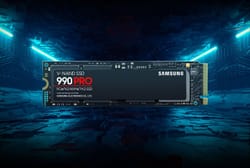
A supposedly “Pro” Samsung 990 NVMe turned my home server into a biweekly reboot ritual. Meanwhile, a forgotten SK Hynix laptop SSD ran flawlessly for five years. Here’s how a boring Goodram and a FireCuda 530R restored my faith in hardware.
You know what? I miss when tech was quiet.
Not "boring". Just quiet. You’d sit down, open your IDE, maybe browse a few blogs or forums, tinker with some open-source repo. It felt like a craft: like carving wood, or doing art, in a way.
Now?
On May 28th, 2025, my ISP vanished from the internet - no DNS, no site, no support, nothing. What started as a casual “is your internet working?” turned into 20 hours of ISP outage.
You ever stare at a map in a car-sharing app and think, "Umm, why does this whole area look… the same?" I spent 20 minutes driving around trying to figure out where the hell I was allowed to park.
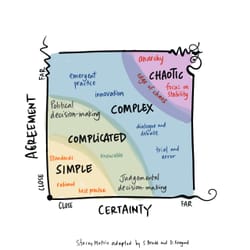
We were deep into building a new microservice — one of those projects where the requirements were abstract, shifting, and open to interpretation. You know how it goes: "It's just a simple microservice, basically it should just save X and communicate Y back". Yeah, right...
At first,
In tech, it’s easy to confuse complexity with progress. Adding layers, abstractions, or extra features can feel like you’re being productive—sometimes even impressive—like you're building something substantial. We’ve all seen codebases and systems that seem to wear their complexity as a badge of
I'll start from far away. First, here's some background of mine. I work as a software engineer and consultant, I've finished university for software engineering. Mostly I work with back-end in Java and, occasionally, other languages. I like computers and I'm
7 min read
Subscribe to Technikatsu newsletter and stay updated.
Don't miss anything. Get all the latest posts delivered straight to your inbox. It's free!